Protection & Advocacy
If you have experienced domestic violence or feel unsafe, taking the right steps early can help protect you and your family:
“Lenny and his practice are absolutely amazing. They take the time to work with you and listen. He did not waste any of my time or money. I would highly recommend his practice.”
— Jacyln, 5-Star Review
If your safety or your family’s well-being is at risk, having the right advocate matters. Leonard B. Cohen is ready to step in, protect your rights, and help you move forward with confidence.
Domestic violence cases are emotionally charged, but they are also legal proceedings with lasting consequences. Having an attorney helps ensure your voice is heard and your concerns are taken seriously.
Mr. Cohen works to minimize the stress placed on victims throughout the process. He handles communication with the court, addresses procedural requirements, and helps clients avoid common missteps that could weaken their request for protection.
When children are involved, safety becomes even more urgent. Mr. Cohen helps clients understand how restraining orders can intersect with custody and parenting time issues, always keeping the focus on protection and stability.
Many Hoboken clients worry about what will happen after they come forward. The process can feel intimidating, but it is designed to provide structure and accountability.
After an initial review of your situation, Mr. Cohen explains available options and timing. He helps clients decide when immediate court action is appropriate and prepares them for each stage of the process. His goal is to reduce uncertainty while ensuring strong legal support at every step.
Domestic violence can involve physical harm, threats, harassment, stalking, or other behavior meant to control, harm, or intimidate. It does not require visible injuries. Courts look at whether a person’s actions created fear or posed a risk to safety.
Courts rely on sworn testimony and evidence when available. While documentation such as messages, photos, or witness statements can help, the lack of physical evidence does not automatically prevent protection. Mr. Cohen helps clients present their experience clearly and credibly.
Temporary restraining orders can often be issued the same day a request is made. Timing depends on the circumstances, but New Jersey law prioritizes prompt action when safety is at risk.
Yes. Once a temporary restraining order is issued, law enforcement serves the order on the other party. A hearing is then scheduled so the court can decide whether to issue a final restraining order.
Yes. Courts may include provisions related to residence, temporary custody, and other safety-related concerns. Mr. Cohen helps clients understand how these orders work and what protections may apply.
Locations
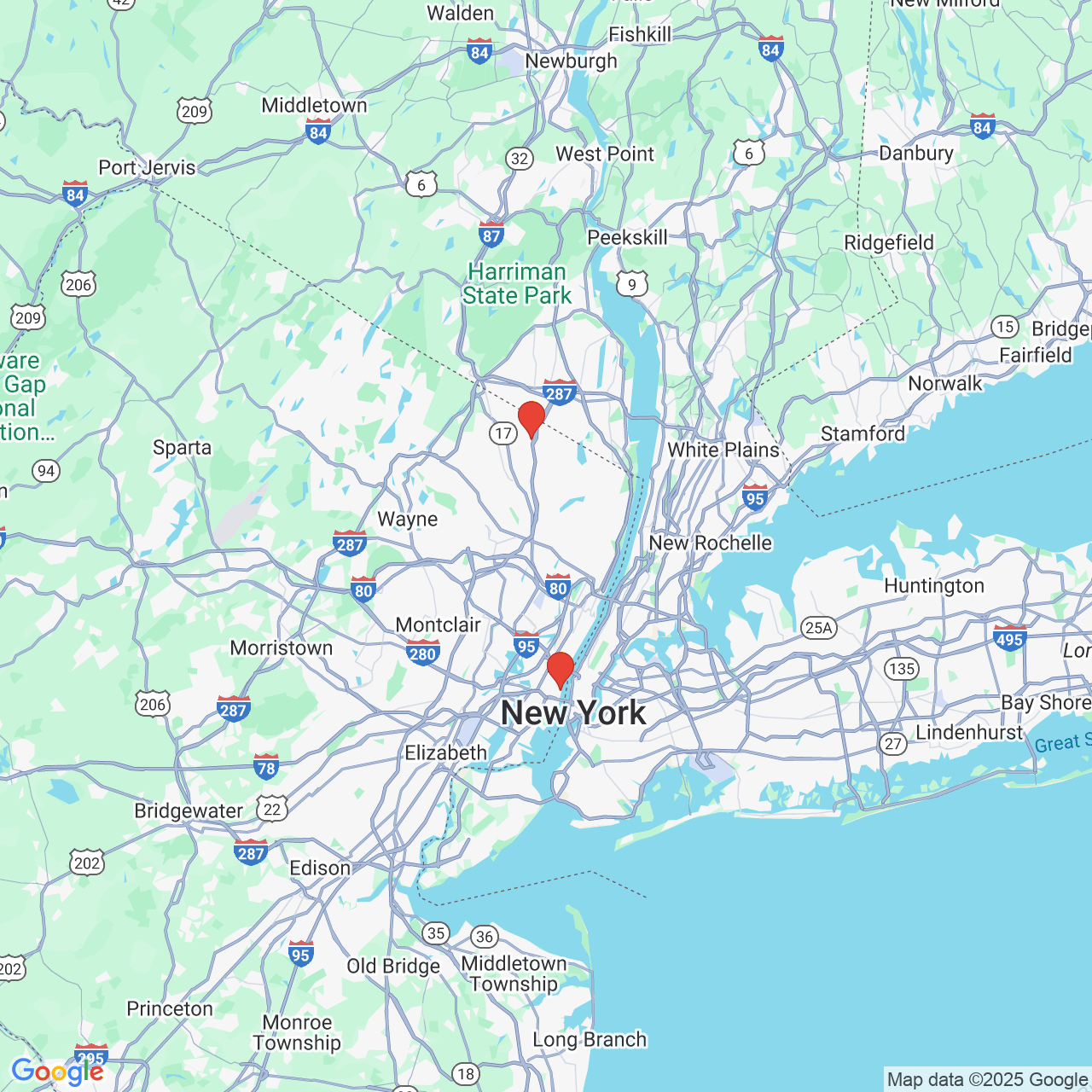
We have 2 locations in New Jersey.